I was sat in bed this morning on my phone at 8am, randomly flicking through other people’s stories and lives…
A video of my daughter and her friends on a hill howling at the wolf moon (fabulous), a man posting a funny video about Trump and his actions in Venezuela (made me smile), countless videos of the Buddhist monks walk for peace across the US (so emotional). A delightful video of a little girl bouldering with her family in the UK and making it to the top on her own, with her parents cheering her on and sending her good vibes (adorable)…
In the last two weeks I’ve been doing this more, and more. I’m an early riser, I get up at 5:30am (or thereabouts) and complete my morning ritual – meditate, exercise and yoga. I don’t look at my phone. I do the housework before anyone is awake and then sit with a hot drink and gently and so quietly support my husband and children to prepare for their day. It’s a beautiful start to the day and I feel so much joy and a sense of calm. So, what happens to disrupt this pattern and why am I still sat in bed at 8am??
I believe that I experience a disconnect from my natural cyclical rhythm. This is largely due to a conflict between nature and the modern industrialised society that we now live in. I believe that this significantly impacts human emotional wellbeing by disrupting the body’s internal biological clock, known as the circadian rhythm. In simple terms we’re being forced to alter our natural way of being, as humans. I would equate this to keeping a badger up all night and refusing to let them sleep during the day (wrong on all levels).
For me, this is a regular disruption and sense of unease in response to an irregular pattern (if that makes sense?)… it happens throughout the year. I get ‘thrown off‘ (or at least that’s how it feels). In my social media haze I’m shown posts telling me how important my morning ritual is, the importance of self care. I’ve watched countless videos of other people living the life I aim for, living it, in the present, not observing others. Then the shame kicks in…
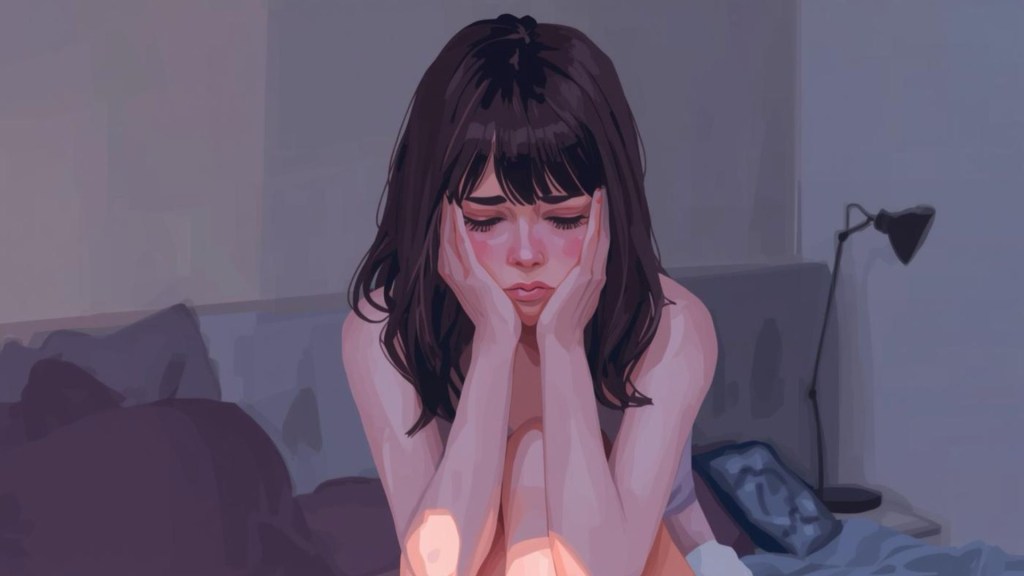
What I know, is that I struggle with time, this man-made social construct, that feels unnatural (because it is!!). When the clocks change in Spring and Autumn in the UK or my routine changes (time off work, Christmas holidays etc) it takes a while for my internal clock to get used to it. This means that I experience emotional and physical discomfort, it feels likes I’m being pushed in the wrong direction, something feels ‘off’. I wondered if some of you might have similar experiences, so I thought I’d write about it here.
Reconnecting with Natural Cycles
Aligning with natural cycles can improve mental health. Strategies include prioritising exposure to natural light during the day, minimizing artificial light at night (especially blue light), maintaining consistent sleep and mealtimes, and spending time in nature (I have cedar and hinoki oil in my diffusers to connect me to the trees… more on that another day!). These practices, known as chronotherapy, are effective adjunctive treatments for various mood disorders.
So, our bodies have this amazing internal clock. It’s an actual master timekeeper, the brain’s suprachiasmatic nucleus, SCN for short (and yeah I know, it sounds complicated, but it’s just there silently ticking away). It’s meant to run on the natural ebb and flow of daylight and darkness, but of course, modern life throws all kinds of spanners in the works, and we end up “chrono disrupted” (yes, that’s a real thing!).
Think about it…
All those bright screens, phones, laptops, the endless scroll under the glow of artificial lights late into the night are messing about with our hormones. Melatonin (the sleepy one) gets switched off, and cortisol (the wake-up one) gets confused. It’s no wonder our bodies have no clue what time it is any more.
Then there’s the chaos of irregular routines. Shift work, annual leave, flying across time zones, or even just staying up later at weekends than on weekdays… suddenly, your body clock is doing somersaults, and you’re thrown off balance, left feeling wiped out, unable to sleep, or just out of sorts for no obvious reason (story of my life).
And it’s not just about too much light at night.
We’re also spending too much of our days indoors, hunched over laptops or sitting under gloomy office lights, so our brains never really get those all-important signals from actual sunlight. No wonder everything feels out of sync!
All of this doesn’t just leave us tired or grumpy. It’s genuinely linked to mental health struggles. Depression? Circadian rhythms are usually all over the place. Loads of people with depression notice their mood is worse in the mornings, and sleep is often a nightmare (pun intended). The rise in depression rates seems to follow our modern, light-filled, always-on lifestyle. Bipolar disorder also gets worse with sleep disruption, jet lag or staying up all night can even trigger an episode. Even anxiety can ramp up when you’re working night shifts or constantly shifting your sleep schedule. And then there’s Seasonal Affective Disorder (SAD), which is basically our brains’ way of saying, “Where’s the sunshine?” in the gloomy winter months, less daylight, more mood crashes.
It doesn’t even stop there. Messing with our natural rhythms is linked to brain fog, memory issues, and other health problems—none of which do our mental well-being any favours.
But here’s the good news
Getting back in tune with natural cycles can make a real difference
- Try to soak up some daylight during the day (even a walk outside helps)
- Keep evenings calm and dim (put the phone down if you can!)
- Stick to regular sleep and meal times
- Spend time outdoors.

These simple things, sometimes called ‘chronotherapy’ aren’t just nice ideas, they’re actually backed by science and can really help balance your mood and mental health. It’s about finding those little rituals that make you feel human again.
 Barefoot Psychotherapist
Leave a comment