
How do we accept discomfort as an inseparable part of the ebb and flow of life, rather than try to fix it? How do we stop feeling overwhelmed if we experience joy?
The practice of tolerating discomfort and sitting with joy involves practicing mindfulness and self-compassion to acknowledge and allow all feelings without judgment. It means accepting where you are and what you are experiencing in the moment, even if it’s uncomfortable. Recognizing that they are both part of a complete emotional experience. Techniques like mindfulness, distress tolerance, and a gratitude practice can help you navigate difficult emotions whilst also creating space to welcome and celebrate joy.
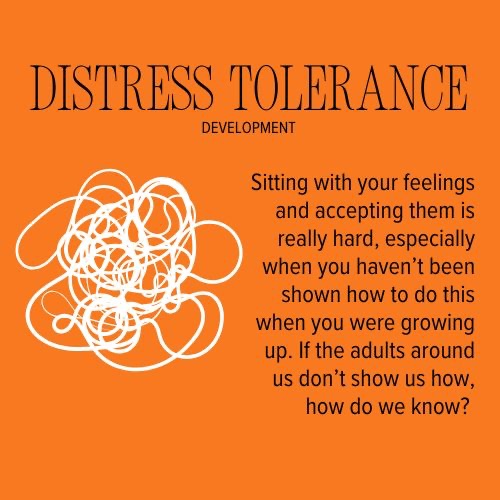
Here’s a few ideas to get you started:
Tolerating discomfort
Practice mindfulness: Pay attention to your thoughts, feelings and emotions without immediately trying to fix or change them. Start by noticing what’s coming up for you when you’re doing general day to day things like the washing up or driving to work. This will help you to build the skill for when you feel distressed or overwhelmed. Notice how feelings, thoughts and emotions come and go.
Develop motivation: When we are changing anything we need to think about what motivates us and whether we have the level of effort needed for consistent practice and deliberate action. Do you have the motivation or drive needed to resist the internal struggle against difficult emotions and instead allowing yourself to feel them fully?
Use distress tolerance techniques: Learn skills from therapies like DBT to manage intense emotions without making the situation worse, using techniques such as distraction and self-soothing. Or give these skills a go:
TIPP Skills: A physiological approach to quickly calm intense emotions.
Tip the temperature: Hold your breath and submerge your face in ice water or hold a plastic bag filled with ice water against your eyes and cheeks for 15–30 seconds. This triggers the “dive reflex,” which slows your heart rate and calms the body.
Intense exercise: Engage in vigorous exercise, like running up stairs or jumping jacks, to help your body release stored-up energy and reduce stress hormones.
Paced breathing: Slow your breathing by inhaling for a count of five and exhaling for a count of seven. This helps activate your parasympathetic nervous system, which promotes relaxation.
Paired muscle relaxation: Tense your muscles while breathing in and relax them while breathing out. This helps calm your body by releasing tension.
S – Stop: Freeze. Do not react immediately. Stay in control of your emotions and body.
T – Take a step back: Physically remove yourself from the situation if possible. Give yourself space to think.
O – Observe: Notice what is happening inside and outside of you. What are your thoughts and feelings? What is happening in your environment?
P – Proceed mindfully: Consider your goals and what action will make the situation better, not worse.
Cultivate self-compassion: When you experience distress, treat yourself with the same kindness and understanding you would offer a close friend. Acknowledge your suffering and offer yourself words of support.
Welcoming Joy
Practice daily gratitude: Even during difficult times, a daily gratitude practice can help provide perspective and indirectly create moments of joy.
STOP Skill: An acronym for navigating an impulsive moment.
Allow emotions to co-exist: Understand that experiencing joy doesn’t erase pain, and you can feel both at the same time. Mindfulness can help you recognize moments of joy even when you are feeling upset.
Give yourself permission to feel ok: Allow yourself to experience joy even if you are also dealing with sadness or anxiety. Stop limiting your emotional expression, this can create resistance, and this is when we can hold on to negative feelings.
Embrace joy: Recognise that joy is ok. You can make a conscious choice to seek and prioritise joy, which can increase creativity and well-being, even when life is tough. Start by noticing the good bits. Humans aren’t very good at this, our minds like to focus on the experiences that keep us alive, so we focus on survival, which makes sense when you think about it. So, we need to help our minds to form a new habit. We can do this by noticing when someone smiles at us and how it makes us feel. That kind lady who opened the door for you this morning, the beautiful sunset you saw on the way home, or thinking about the taste of mum’s carbonara. Notice the blue sky above, the sensation of winter sunshine on your skin or the warmth of a hot bath.
I’d love to know how you get on, please comment below.
 Barefoot Psychotherapist
Leave a comment