Hug a Tree?
Throughout my life, I have always felt a deep connection to trees. From a young age, I enjoyed climbing trees and building dens in the woods near my home. This affinity for trees has remained with me into adulthood and has even found its way into my work as a psychotherapist. My appreciation for trees is enduring, and I find myself continually drawn to them.

The Deep-Rooted Bond Between Humans and Nature
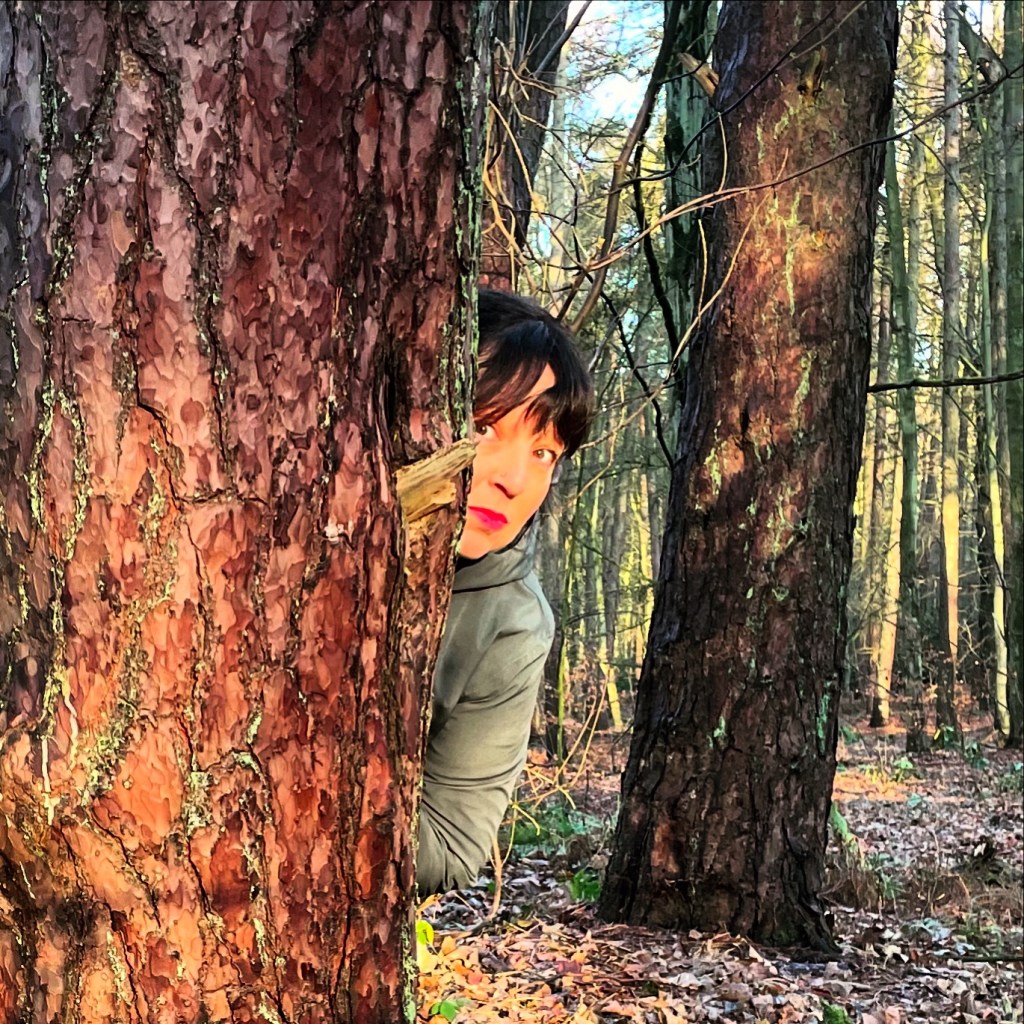
The relationship between humans and the natural world is deeply entrenched in our history. Early humans, living as hunter-gatherers, were intimately connected to nature, relying on it for their fundamental needs such as food and shelter. This essential bond ensured our survival for millions of years. Beyond these basic needs, the intentional use of nature for wellbeing is evident in ancient spiritual traditions and practices. Evidence suggests that humans have been making use of medicinal plants for health and healing purposes since the Paleolithic era, approximately 3.3 million years ago. This long-standing connection highlights the importance of nature, and trees in particular, for our emotional wellbeing.
The Science
Inhale phytoncides…
Trees release antimicrobial compounds called phytoncides. Hugging a tree and breathing in forest air lets you absorb these.
Lower stress hormones…
Breathing phytoncides reduces cortisol and adrenaline, helping you feel calmer.
Calm your nervous system…
Lower stress hormones activate relaxation responses in your body.
Decrease blood pressure…
This relaxation can lower your heart rate and blood pressure, supporting cardiovascular health.
Boost mood and cognition…
Nature exposure and phytoncides together can lift your mood, reduce anxiety, enhance creativity, and improve focus.
A Metaphor for Growth and Resilience
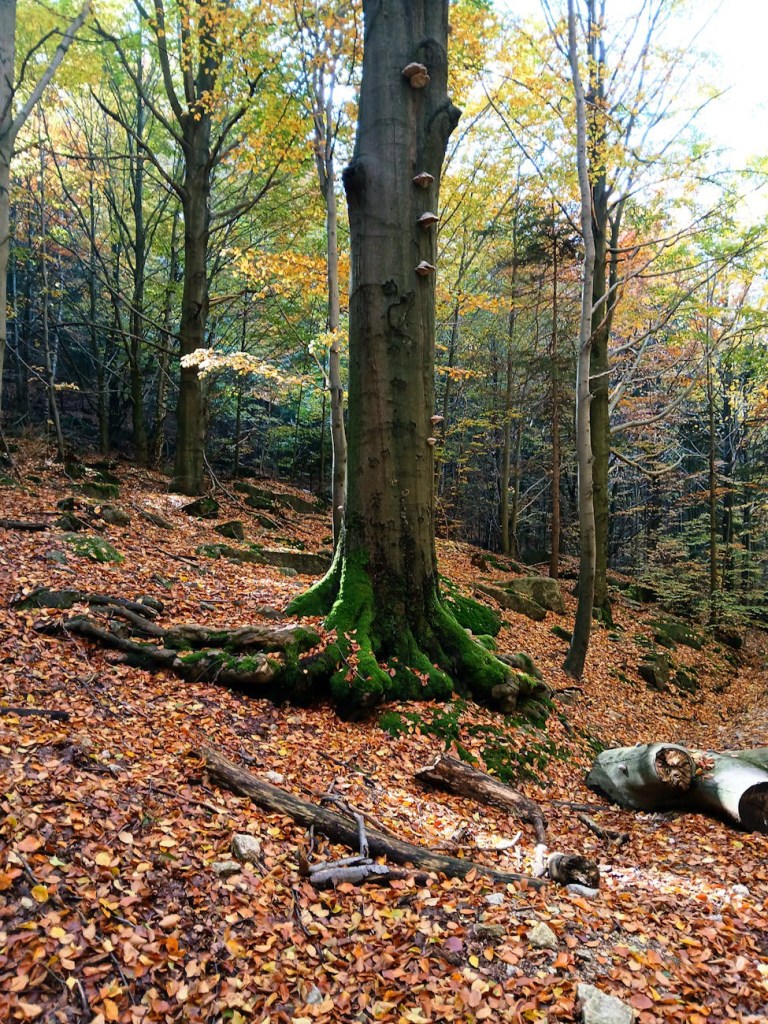
I often use trees during psychotherapy sessions to provide a metaphor for growth and resilience. Trees, with their deep roots and long lifespans, can serve as a powerful metaphor in therapy. They embody stability, growth, and resilience—qualities a therapist might want a client to internalize. Embracing a tree can be a symbolic act of connecting with these qualities.
Trees communicate through underground networks of fungal threads, called mycorrhizal networks, which act like a “wood wide web” to share resources and warning signals. They also communicate through airborne chemical signals, like volatile organic compounds, and through root intertangling.
Have you ever looked up in a wood and noticed how the trees leave a little space between their branches and that of another? They do this through a phenomenon called crown shyness, which is thought to be an adaptation for several reasons:
– maximizing light exposure
– preventing the spread of pests and diseases
– avoiding physical damage from branches rubbing together.
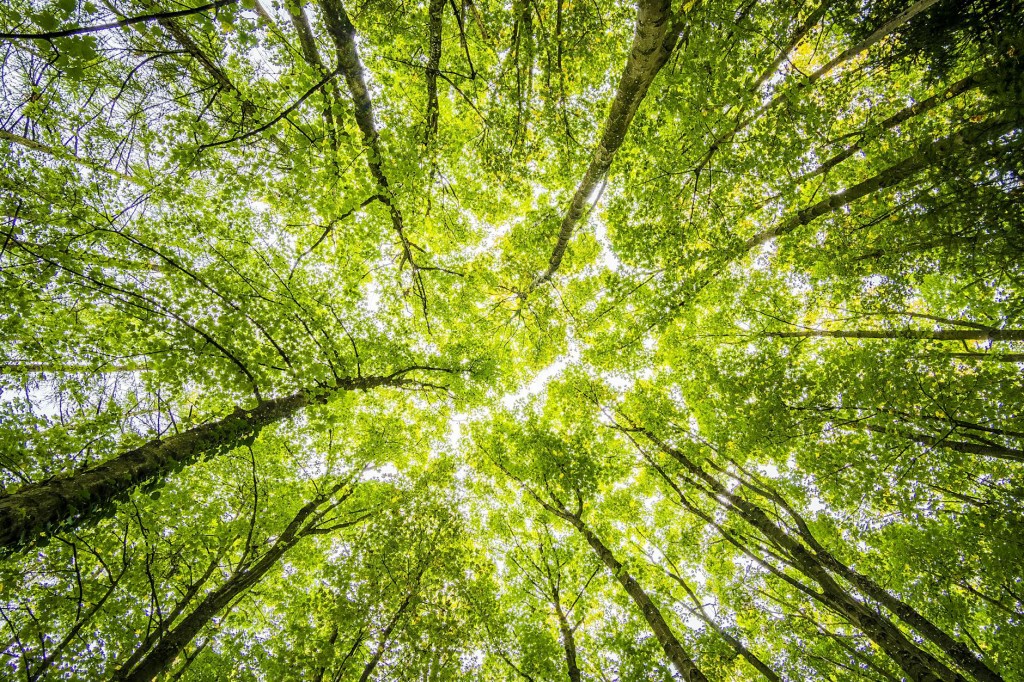
While the exact causes are still debated by scientists, these potential benefits suggest it’s an evolutionary advantage for certain trees. There are core parallels with social anxiety in humans, for example I might use trees to talk about…
- Protective boundaries: Trees exhibit crown shyness to prevent the spread of disease, reduce physical damage from abrasion, and ensure access to vital light. Similarly, a person with social anxiety creates psychological “gaps” between themselves and others to protect against perceived threats like judgment, criticism, or emotional harm.
- Optimum growth: Trees that practice crown shyness maximize their individual access to sunlight, which is necessary for healthy growth. For humans, social anxiety can be a strategy to optimize a kind of “internal” resource. By avoiding painful social interactions, a person attempts to protect their emotional and psychological well-being, often at the cost of their connection with others.
- The invisible threat: One theory suggests that trees sense the presence of neighbouring foliage through specific light wavelengths and deliberately stop their outward growth. This mirrors how a person with social anxiety can perceive and react to subtle, often imagined, social cues. They stop their “growth” toward others based on a finely tuned sensitivity to perceived threats, even when no actual danger is present.
- The “forest” ecosystem: Crown shyness is a cooperative behaviour that benefits the entire forest, allowing for better light penetration for all the trees. This can help someone see how their guardedness, while protective, might also be part of a larger, perhaps unhelpful, pattern in their social ecosystem. It can also open a dialogue about how their boundaries affect those around them.
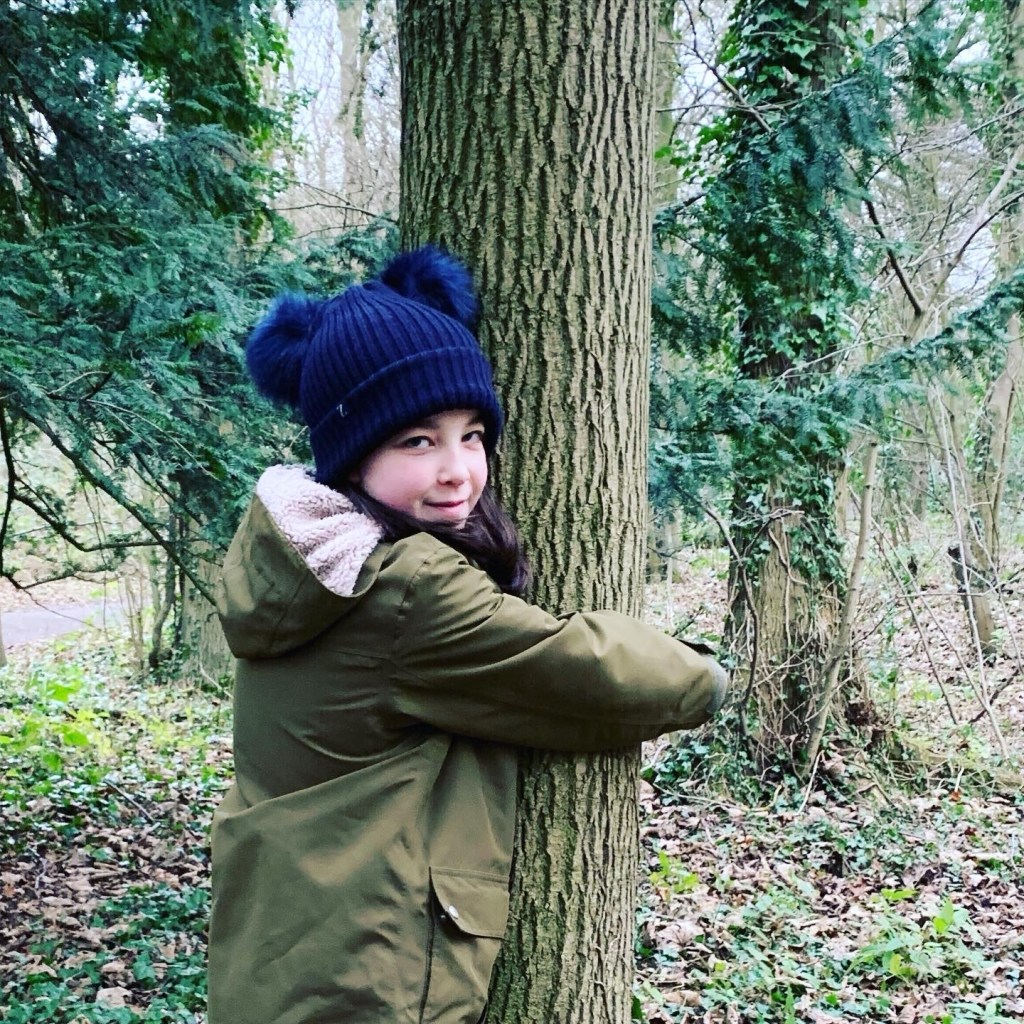
Trees can be a powerful ecotherapy tool, drawing on the benefits of connecting with nature to enhance emotional and psychological well-being. When I incorporate this into my practice, it is designed to foster grounding, reduce stress, and promote emotional regulation by bringing you, the client, into direct, sensory contact with the natural world.
In conclusion, hugging trees offers significant benefits for emotional wellbeing by fostering a deep sense of connection with nature, lowering stress hormones, calming the nervous system, and boosting mood and cognitive function. This ancient bond between humans and trees, rooted in our evolutionary history, is supported by scientific findings that show exposure to trees reduces cortisol, promotes emotional release, and releases positive hormones like oxytocin. Trees also serve as powerful metaphors in therapy, embodying resilience and growth, while their unique behaviours, such as crown shyness, mirror human experiences like social anxiety. Engaging with trees through practices like ecotherapy helps individuals reconnect with themselves and the world around them, supporting emotional regulation and providing a non-verbal outlet for healing.
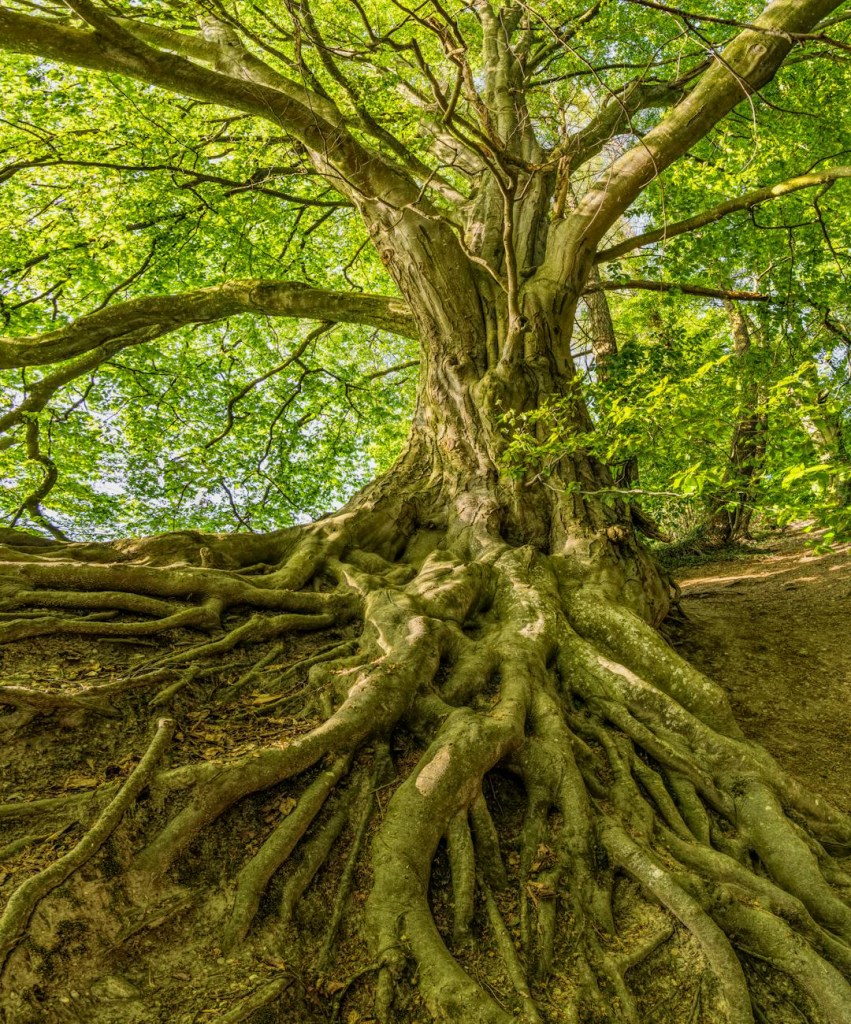
I hope you are moved to see trees differently, maybe you’ll branch out next time you’re on a walk and give an oak tree or beech a hug. Maybe you’ll take in how they feel to touch and smell, notice the canopy and see if they’ve made space for each other. If you do, I’d love to hear about it on the comments below.
 Barefoot Psychotherapist
Leave a comment