We often think of therapy as something that happens within the four walls of a consulting room. A space for words, reflections, and the unfolding of inner landscapes. And while the therapeutic relationship is undeniably central, what if I told you there’s another powerful, often overlooked, presence in the room – and beyond?
Think about it for a moment. How does a cluttered, dimly lit space make you feel compared to one that is airy and filled with natural light? Our surroundings have a profound, often subconscious, impact on our mood, our thoughts, and even our physical well-being. As therapists, becoming attuned to this dynamic can unlock new avenues for healing and growth.
The Consulting Room as a Container:
Even within the traditional therapy setting, the environment plays a crucial role. The careful selection of colorus, textures, and even the arrangement of furniture can contribute to a feeling of safety, calm, or even discomfort. A comfortable chair can help a client feel more at ease to open up. Natural elements like plants can bring a sense of life and tranquility. The artwork on the walls can spark conversation or offer a point of reflection or prompt a trauma memory.
As therapists, we can intentionally curate our spaces to support the therapeutic process. This isn’t about creating a perfectly sterile or overly opulent environment, but rather one that feels congruent with the work we do and the needs of our clients.
Stepping Outside the Walls: Nature as a Healer:
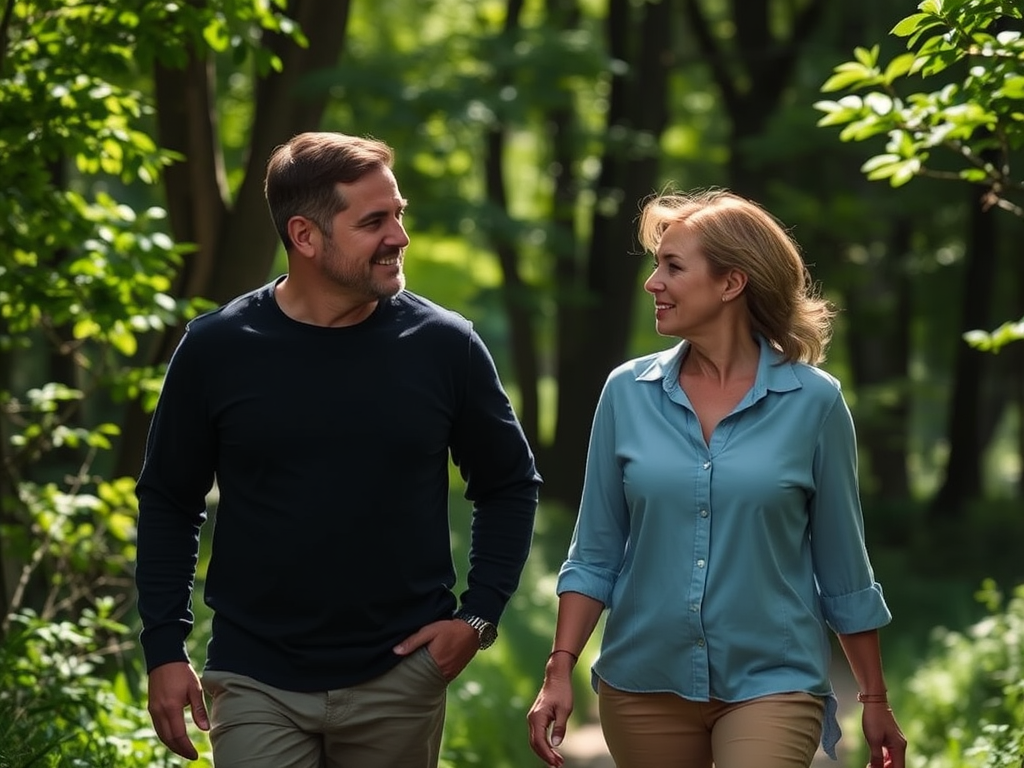
But the therapeutic potential of the environment extends far beyond the consulting room. Increasingly, research highlights the powerful benefits of spending time in nature. Studies have shown that exposure to natural environments can:
- Reduce stress hormones: The sights and sounds of nature have a calming effect on our nervous system, lowering cortisol levels and promoting relaxation.
- Improve mood and reduce anxiety: Green spaces have been linked to decreased symptoms of depression and anxiety, fostering feelings of peace and well-being.
- Enhance focus and creativity: Natural environments can restore our attentional capacity, allowing for clearer thinking and increased creativity.
- Foster a sense of connection: Being in nature can evoke feelings of awe and interconnectedness, reminding us of something larger than ourselves.
Integrating the Environment into Therapy:
So, how can therapists intentionally harness the power of the environment in their work? Here are a few ideas:
- Mindful Observation: Encourage clients to pay attention to their surroundings – both in the therapy room and in their daily lives. What sensations do they notice? What emotions arise?
- Nature-Based Practices: Suggest nature walks as a form of grounding and self-soothing. Explore the use of natural metaphors in therapy.
- Ecotherapy: For some clients, more formal ecotherapy interventions, which involve direct engagement with nature for therapeutic benefit, may be appropriate.
- Home Environment Exploration: Discuss the client’s home environment. Are there changes they could make to create a more supportive and nurturing space?
- Virtual Environments: Even in online therapy, we can explore the client’s physical surroundings and how they might optimize their space for well-being.
A Shift in Perspective:
By recognizing the environment as an active participant in the therapeutic process, we can broaden our understanding of healing and offer our clients more holistic and embodied pathways to well-being. It’s a reminder that we are not separate from the world around us, but deeply interconnected with it. And in that connection lies a powerful potential for growth and transformation.
What are your thoughts on the role of the environment in therapy? Share your experiences and insights in the comments below!
 Barefoot Psychotherapist
Leave a comment