
We don’t really know what causes depressive symptoms, its complicated! Many things are thought to bring about depressive episodes such as stressful events, personality, family history and giving birth. We know that often if one of your parents lived with depression that may also increase the risk of you having depressive episodes.
The NHS define depression as “a low mood that lasts for weeks or months and affects your daily life”. More women than men are diagnosed with depression but this doesn’t mean that they don’t experience depression. We do see a higher prevalence in women than men. Also, if you haven’t experienced depression before you are thirty, chances are you wont.
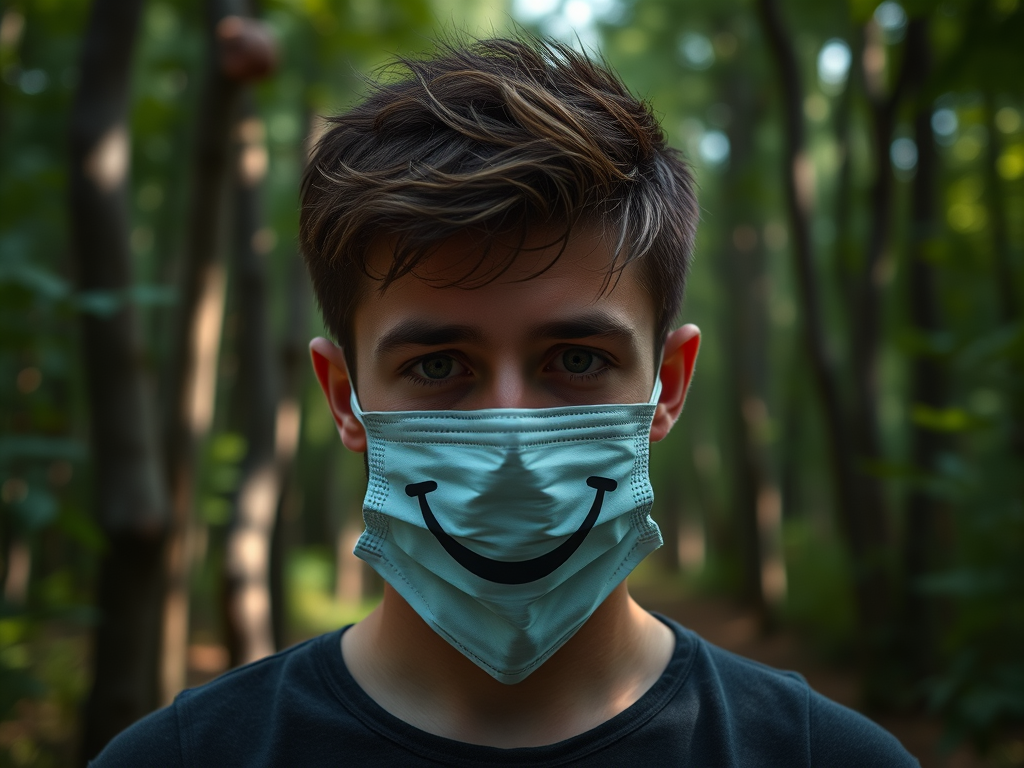
Depression can manifest in various ways, and some individuals may be able to mask their internal feelings of sadness or hopelessness, appearing outwardly happy or even “smiling” while experiencing internal distress, a phenomenon known as “smiling depression”.
Even if your symptoms are really severe, the odds are in your favour. Know that in general, people recover from a depressive episode, especially if you are getting treatment.
Depression is more complicated than sadness alone. You may experience irritability, loss of pleasure, anger, listlessness and you may blame yourself for not having motivation. Sadly some people also have suicidal thoughts and make attempts to end their life.
If you have depression someone may have told you that you should just snap out if it… if only it was that easy huh!
You may be experiencing cognitive symptoms like impaired concentration, indecisiveness, intense criticism or poor memory.
Often people may have headaches, tense muscles, strained eyes, upset tummies, dizziness, chest pain and muscle spasms, pain, sleep problems and psoriasis along with many other physical symptoms.
Treatment for depression usually involves a combination of lifestyle changes, talking therapies and often medicine. I usually recommend a daily routine which involves good food, exercise and rest alongside social activity and time outside in the fresh air.
For more information please go to https://www.mind.org.uk/information-support/types-of-mental-health-problems/depression/about-depression/
 Barefoot Psychotherapist
Leave a comment